



Hey there! As a supplier of Air Cooled Generators, I often get asked if there are any certifications for these bad boys. Well, you bet there are, and in this blog, I'm gonna break it all down for you.
First off, let's understand what air - cooled generators are. These are generators that use air as a cooling medium to prevent the engine from overheating. They're popular because they're relatively simple, cost - effective, and easy to maintain. And if you're interested in checking out some of our models, you can click on these links: 3.5kva Silent Generator, Air Cooled Generator, and 7kw Silent Generator.
Now, onto the certifications. One of the most important certifications for air - cooled generators is the ISO (International Organization for Standardization) certification. ISO 9001, for example, focuses on quality management systems. When a generator has this certification, it means the manufacturer has a well - defined quality control process in place. This covers everything from the sourcing of raw materials to the final assembly of the generator. A generator with ISO 9001 certification is more likely to be reliable and of high quality because the production process has been thoroughly evaluated and meets international standards.

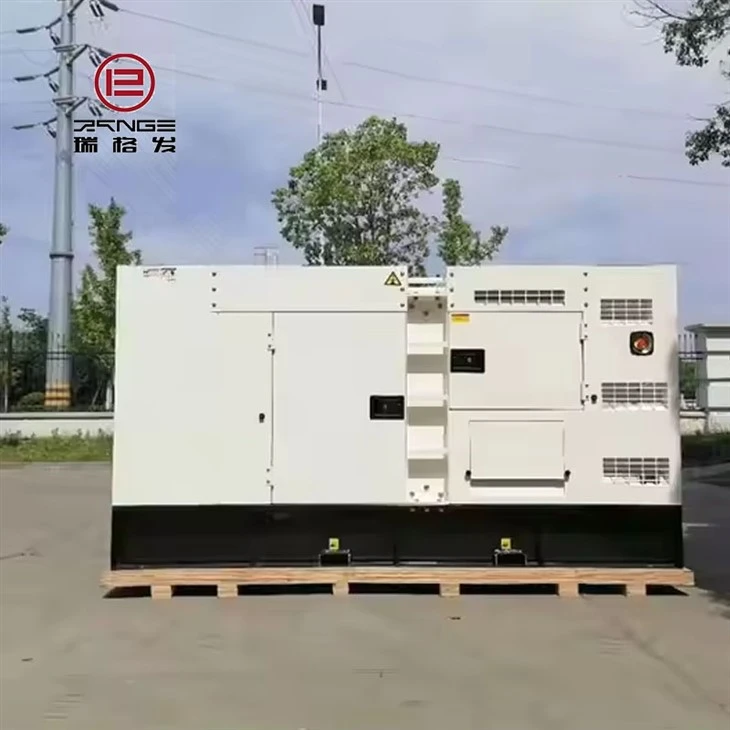
Another significant certification is CE (Conformité Européene). This is a mandatory certification for products sold in the European Economic Area (EEA). For air - cooled generators, the CE mark indicates that the product complies with EU health, safety, and environmental protection requirements. This includes things like electrical safety, noise levels, and emissions. If you're planning to sell or use your generator in Europe, having the CE mark is a must. It shows that your generator has been tested and meets the strict regulations set by the EU.
Then there's the EPA (Environmental Protection Agency) certification in the United States. The EPA sets standards for emissions from engines, including those in air - cooled generators. Generators with EPA certification meet the emission standards set by the agency. This is important not only for environmental reasons but also because many states in the US require generators to have this certification to be sold or used legally. The EPA certification helps ensure that the generator emits fewer pollutants such as carbon monoxide, hydrocarbons, and particulate matter.
UL (Underwriters Laboratories) certification is also well - known. UL is an independent safety science company that tests products for safety. When an air - cooled generator has UL certification, it means it has passed a series of safety tests. These tests cover aspects like electrical safety, fire safety, and mechanical safety. For example, the generator's wiring should be properly insulated to prevent electrical shocks, and the housing should be able to withstand a certain amount of impact without causing harm. This certification gives consumers peace of mind knowing that the generator they're buying has been rigorously tested for safety.
In addition to these major certifications, there are also industry - specific certifications. For example, some generators may have certifications from organizations related to the power generation industry. These certifications can focus on things like efficiency, performance, and durability. A generator with an industry - specific certification may be better suited for certain applications, such as in commercial or industrial settings.
So, why do these certifications matter? Well, for one, they give you as a buyer or user an assurance of quality and safety. When you're spending your hard - earned money on an air - cooled generator, you want to know that it's going to work properly and not pose any risks. Certifications act as a stamp of approval from recognized organizations. They also help you compare different generators on the market. If you're looking at two similar generators, but one has more certifications than the other, it's likely to be the better choice.
From a business perspective, having certified generators is crucial for us as a supplier. It allows us to expand our market reach. For instance, with the CE mark, we can sell our generators in the European market. The EPA and UL certifications open up opportunities in the US market. These certifications also build trust with our customers. When customers see that our generators have these well - known certifications, they're more likely to choose our products over those of our competitors.
Now, let's talk about how we ensure that our air - cooled generators get these certifications. At our company, we have a dedicated team that works on the certification process. First, we design our generators to meet the requirements of the various certifications. This involves using high - quality materials and following best practices in engineering. We then send our generators to independent testing laboratories for evaluation. These laboratories have the expertise and equipment to conduct the necessary tests. Once the generators pass the tests, we receive the certifications.
We also stay up - to - date with any changes in the certification requirements. The standards for these certifications can change over time, especially as new technologies emerge and environmental concerns become more pressing. Our team monitors these changes and makes sure our generators are always compliant. This way, we can continue to offer the best products to our customers.
If you're in the market for an air - cooled generator, make sure to look for these certifications. They're not just pieces of paper; they represent the quality, safety, and environmental friendliness of the generator. And if you have any questions about our certified air - cooled generators, or if you're interested in purchasing one, don't hesitate to reach out. We're here to help you find the perfect generator for your needs. Whether you need a small 3.5kva Silent Generator for your home or a more powerful 7kw Silent Generator for a commercial project, we've got you covered.
So, if you're ready to take the next step and start using a reliable air - cooled generator, get in touch with us. We can discuss your requirements, answer any questions you may have, and guide you through the purchasing process. Let's work together to find the best solution for your power needs.
References
- International Organization for Standardization (ISO) documentation on quality management systems
- European Union regulations on CE certification
- Environmental Protection Agency (EPA) standards for generator emissions
- Underwriters Laboratories (UL) safety testing procedures and standards
- Industry - specific organizations' guidelines for power generation equipment


