



As a supplier of Diesel Engine Generator Sets, one question that often comes up from our clients is whether these generator sets can be used in high - altitude areas. This is a crucial query, especially considering the unique environmental conditions that high - altitude regions present. In this blog, we'll delve into the technical aspects, challenges, and solutions related to using Diesel Engine Generator Sets in high - altitude areas.
Understanding High - Altitude Conditions
High - altitude areas are characterized by lower air pressure, lower oxygen levels, and lower ambient temperatures compared to sea - level regions. These environmental factors have a significant impact on the performance of Diesel Engine Generator Sets.
Lower air pressure at high altitudes means that there is less air available for the engine to intake. Diesel engines rely on the intake of air to mix with fuel for combustion. With less air, the combustion process becomes less efficient, which can lead to a reduction in power output. For example, at an altitude of 3000 meters, the air density is approximately 30% lower than at sea level. This decrease in air density directly affects the amount of oxygen available for combustion.
The lower oxygen levels also contribute to incomplete combustion. When there isn't enough oxygen, the diesel fuel doesn't burn completely, resulting in the production of more soot and pollutants. This not only reduces the engine's efficiency but also increases wear and tear on the engine components, potentially shortening the lifespan of the generator set.
Impact on Diesel Engine Generator Sets
Power Output Reduction
As mentioned earlier, the reduced air density and oxygen levels at high altitudes lead to a decrease in power output. A Diesel Engine Generator Set that can produce its rated power at sea level will experience a significant drop in power as the altitude increases. Typically, for every 300 - 500 meters increase in altitude, the power output of a diesel engine may decrease by about 3 - 5%. So, if you have a Diesel Engine Generator Set with a rated power of 1000 kVA at sea level, at an altitude of 3000 meters, its power output could be reduced to around 700 - 750 kVA.
Cooling System Challenges
The cooling system of a Diesel Engine Generator Set also faces challenges at high altitudes. The lower air density means that the air has less heat - carrying capacity. This can cause the engine to overheat more easily, especially during continuous operation. The radiator, which relies on the flow of air to dissipate heat, becomes less effective. As a result, the engine temperature may rise above the normal operating range, leading to potential engine damage if not addressed.
Fuel System Issues
The fuel system may also need adjustments. At high altitudes, the fuel injection system needs to be calibrated to account for the reduced air intake. If the fuel injection remains the same as at sea level, there will be an imbalance between the fuel and air mixture, leading to poor combustion and reduced performance.
Solutions for High - Altitude Use
Engine Modifications
To overcome the challenges of high - altitude operation, engine manufacturers often make specific modifications to Diesel Engine Generator Sets. One common modification is to increase the turbocharger boost pressure. A turbocharger compresses the incoming air, increasing its density and the amount of oxygen available for combustion. By increasing the boost pressure, the engine can maintain a more efficient combustion process at high altitudes, reducing the power output loss.
Another modification is to adjust the fuel injection system. The fuel injectors can be calibrated to deliver a more precise amount of fuel based on the reduced air intake. This helps to ensure a proper fuel - air mixture and more complete combustion.
Cooling System Upgrades
Upgrading the cooling system is essential for high - altitude use. This may involve increasing the size of the radiator or adding additional cooling fans. Some generator sets are equipped with more advanced cooling systems, such as liquid - cooled radiators, which are more effective at dissipating heat in low - air - density environments.
Regular Maintenance
Regular maintenance is crucial for Diesel Engine Generator Sets operating in high - altitude areas. This includes more frequent oil changes, air filter replacements, and inspections of the engine components. The increased soot production due to incomplete combustion can quickly clog the air filters, reducing the engine's performance. By replacing the air filters regularly, the engine can maintain proper air intake and combustion efficiency.
Case Studies
Let's take a look at some real - world examples. A construction project in a mountainous region at an altitude of 2500 meters required a reliable power source. The project initially used a standard Diesel Engine Generator Set without any high - altitude modifications. The generator set experienced a significant drop in power output, and the engine started to overheat after a few hours of operation.
After consulting with our technical team, the project switched to a generator set that had been specifically modified for high - altitude use. The modified generator set had an upgraded turbocharger and a larger radiator. The power output was restored to an acceptable level, and the overheating issue was resolved. The project was able to continue without any further power - related disruptions.
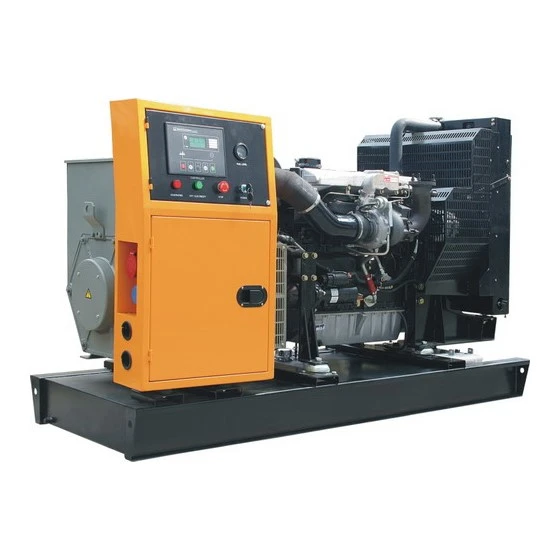

Semi - Silent Generators in High - Altitude Areas
Semi - Silent Generators are a popular choice for many applications, especially in areas where noise reduction is important. When it comes to high - altitude use, these generators face the same challenges as other Diesel Engine Generator Sets. However, they also have some unique considerations.
The enclosure of a Semi Silent Generator can further restrict the airflow to the engine, exacerbating the cooling issues. To address this, the enclosure design may need to be modified to allow for better ventilation. Additionally, the sound - absorbing materials used in the enclosure should not impede the air intake or exhaust flow, as this can also affect the engine's performance.
625kVA Generators in High - Altitude Areas
A 625kva Generator is a medium - sized generator set commonly used in various industrial and commercial applications. At high altitudes, the power output reduction and other challenges are still present. However, with the right modifications and maintenance, a 625kVA generator can still provide reliable power.
For a 625kVA generator operating at high altitudes, it's important to ensure that the turbocharger and fuel injection system are properly calibrated. The cooling system should also be upgraded to handle the increased heat load. By taking these measures, the generator can continue to meet the power requirements of the application.
Conclusion
In conclusion, Diesel Engine Generator Sets can be used in high - altitude areas, but they require specific modifications and careful maintenance to ensure optimal performance. The challenges posed by high - altitude conditions, such as reduced air density, lower oxygen levels, and cooling system issues, can be overcome with the right technical solutions.
If you are considering using a Diesel Engine Generator Set in a high - altitude area, our team of experts is here to help. We have extensive experience in providing high - altitude - compatible generator sets and can offer customized solutions based on your specific requirements. Whether you need a Semi Silent Generator, a 625kva Generator, or a larger - scale Diesel Engine Generator Set, we can assist you in making the right choice.
If you are interested in purchasing a Diesel Engine Generator Set for high - altitude use or have any questions about our products and services, please feel free to contact us for a detailed consultation. We look forward to working with you to meet your power needs in high - altitude environments.
References
- Heywood, J. B. (1988). Internal Combustion Engine Fundamentals. McGraw - Hill.
- Society of Automotive Engineers (SAE). (2010). SAE J1349 - Engine Power Test Code - Spark Ignition and Compression Ignition.
- Diesel Engine Manufacturers Association (DEMA). (2015). Guidelines for Diesel Engine Operation in High - Altitude Conditions.


