



Hey there! I'm a supplier of semi-silent generators, and I've been getting a lot of questions lately about how the load capacity of these generators changes over time. So, I thought I'd write this blog to share some insights based on my experience in the industry.
First off, let's talk about what load capacity means. Simply put, the load capacity of a semi-silent generator is the maximum amount of electrical power it can supply continuously without overheating or breaking down. It's usually measured in kilowatts (kW) or kilovolt - amperes (kVA). When you're using a generator, you need to make sure that the total power of all the electrical devices you're running doesn't exceed its load capacity. Otherwise, you might end up with a generator that's overworked and could potentially fail.
Now, how does the load capacity change over time? Well, there are several factors at play here.
1. Wear and Tear
Just like any other mechanical device, semi-silent generators experience wear and tear over time. The engine, which is the heart of the generator, has moving parts that rub against each other. As these parts wear down, the engine's efficiency decreases. For example, the pistons and cylinders may develop more friction, which means the engine has to work harder to produce the same amount of power. This can lead to a reduction in the generator's load capacity.
The electrical components also face wear and tear. The alternator, which converts mechanical energy into electrical energy, has windings that can degrade over time. If the insulation on the windings breaks down, it can cause short - circuits or reduce the efficiency of the alternator, resulting in a lower load capacity.
2. Maintenance
Proper maintenance is crucial for keeping a generator's load capacity stable over time. Regular oil changes are essential. Old oil can become dirty and lose its lubricating properties, which increases friction in the engine and can lead to a decrease in performance. Filter replacements are also important. Air filters prevent dust and debris from entering the engine, and fuel filters ensure that clean fuel reaches the engine. If these filters are clogged, the engine won't run as efficiently, and the load capacity may be affected.
Another aspect of maintenance is checking and tightening electrical connections. Loose connections can cause electrical resistance, which leads to power losses. Over time, these losses can add up and reduce the generator's ability to supply power at its rated load capacity.
3. Fuel Quality
The quality of the fuel you use in your semi - silent generator can have a significant impact on its load capacity over time. Low - quality fuel may contain impurities such as water, dirt, or sulfur. Water in the fuel can cause corrosion in the fuel system and engine components. Dirt can clog the fuel injectors, preventing the proper amount of fuel from being delivered to the engine. Sulfur can cause damage to the engine's exhaust system and reduce its overall efficiency.
If you consistently use poor - quality fuel, the generator's performance will gradually decline, and its load capacity will be reduced. It's always a good idea to use high - quality fuel from a reputable source to ensure the long - term performance of your generator.
4. Operating Conditions
The environment in which the generator operates also plays a role in how its load capacity changes over time. High temperatures can be a major problem. When it's hot outside, the engine has to work harder to cool itself. This extra effort can reduce the amount of power it can deliver. Additionally, high humidity can cause corrosion in the electrical components, which can affect the generator's performance.
On the other hand, if the generator is operated in a very cold environment, the fuel may thicken, making it harder for the engine to start and run efficiently. Cold temperatures can also affect the battery's performance, which is important for starting the generator and powering some of its electrical systems.
Monitoring the Load Capacity
As a supplier, I always recommend that my customers monitor the load capacity of their semi - silent generators regularly. One way to do this is by using a power meter. A power meter can measure the amount of power being drawn from the generator at any given time. By keeping an eye on this, you can make sure that you're not overloading the generator.
You can also look for signs of a decreasing load capacity. If you notice that the generator is running hotter than usual, or if it's making unusual noises, it could be a sign that its performance is deteriorating. Another sign is if the electrical devices connected to the generator are not working as well as they used to. For example, lights may be dimmer, or motors may be running slower.
Examples of Our Generators
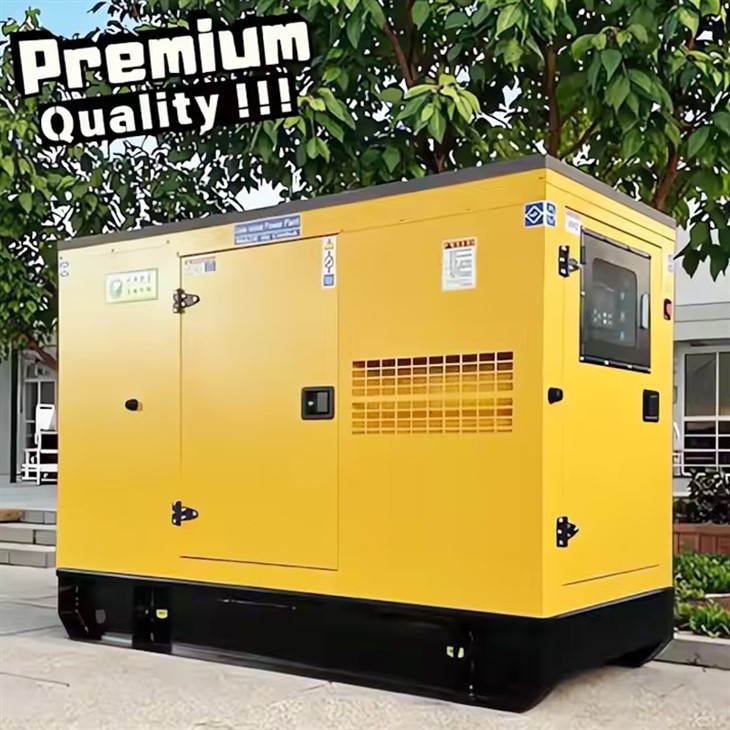
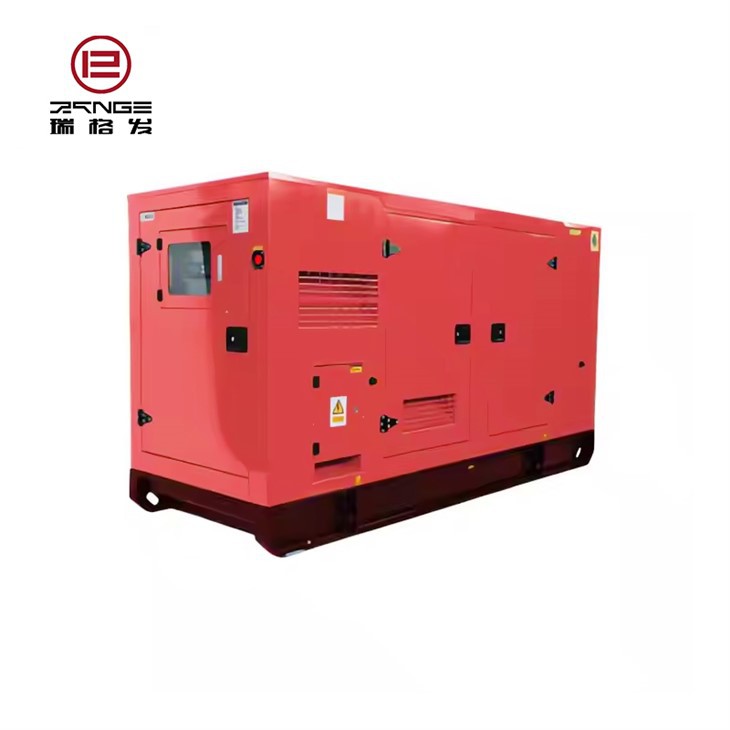
We offer a wide range of semi - silent generators, including the Marine Diesel Generator for Yanmar. This generator is designed for marine applications and is built to withstand the harsh conditions at sea. It has a reliable engine and high - quality electrical components, which helps maintain its load capacity over time.
Our 15kva Silent Generator is a popular choice for small - to - medium - sized businesses and homes. It's known for its quiet operation and stable performance. With proper maintenance, this generator can maintain its load capacity for many years.
If you're looking for a generator with an easy start - up, our Electric Start Silent Generator is a great option. It's equipped with an electric start system, which makes it convenient to use. And like all our generators, we ensure that it maintains its load capacity through high - quality manufacturing and design.
Conclusion
In conclusion, the load capacity of a semi - silent generator can change over time due to factors like wear and tear, maintenance, fuel quality, and operating conditions. By understanding these factors and taking proper care of your generator, you can minimize the reduction in load capacity and ensure that your generator serves you well for a long time.
If you're in the market for a semi - silent generator or have any questions about load capacity and generator maintenance, don't hesitate to reach out. We're here to help you make the right choice and keep your generator running smoothly. Contact us for more information and to start the procurement process. We look forward to working with you!
References
- "Generator Maintenance Handbook" - A comprehensive guide on generator maintenance and performance.
- "Electrical Power Generation and Distribution" - A textbook that covers the principles of electrical power generation, including how generators work and how their performance can be affected over time.


