



Hey there! I'm a supplier of Trailer Power Stations, and today I wanna chat about how to balance the load on a Trailer Power Station. It's a crucial aspect that can greatly affect the performance and lifespan of your power station, so let's dive right in.
First off, understanding the basics of load balancing is key. A Trailer Power Station is designed to provide electrical power in various situations, like construction sites, outdoor events, or emergency backup. But if you overload it or distribute the load unevenly, you're gonna run into some serious problems.
Let's start by looking at the different types of loads you might encounter. There are resistive loads, like heaters and incandescent lights. These loads are relatively straightforward as they draw a constant amount of power. Then there are inductive loads, such as motors in appliances or power tools. Inductive loads can cause a spike in power consumption when they start up, which can put a strain on the power station if not managed properly.
One of the first steps in load balancing is to calculate the total power requirements of all the devices you plan to connect to the Trailer Power Station. You can usually find the power rating of each device on its nameplate, which is usually measured in watts (W) or kilowatts (kW). Add up the power ratings of all the devices to get the total load. Make sure the total load doesn't exceed the rated capacity of your Trailer Power Station. If it does, you'll need to either reduce the number of devices or upgrade to a higher-capacity power station.
Another important factor is the startup surge of inductive loads. As I mentioned earlier, motors and other inductive devices can draw a lot more power when they start up than when they're running at a steady state. To account for this, you need to factor in the startup surge when calculating the total load. A good rule of thumb is to multiply the rated power of an inductive load by a factor of 2 to 3 to estimate the startup surge.
Once you've calculated the total load and factored in the startup surge, it's time to distribute the load evenly across the different circuits of the Trailer Power Station. Most power stations have multiple circuits, each with its own breaker or fuse. Try to spread the devices across the circuits so that no single circuit is overloaded. This will help prevent tripping breakers or blowing fuses, which can disrupt the power supply.
It's also a good idea to prioritize the devices based on their importance. For example, if you're using the Trailer Power Station at a construction site, you might want to prioritize the power tools and equipment that are essential for the job. You can then connect the less critical devices, like lights or small appliances, to a separate circuit.
Now, let's talk about some practical tips for load balancing. One of the easiest ways to balance the load is to use a power distribution panel. A power distribution panel allows you to connect multiple devices to a single circuit and distribute the load evenly. You can also use a power strip with individual switches to control the power to each device. This way, you can easily turn off non-essential devices to reduce the load if needed.
Another tip is to avoid running all the high-power devices at the same time. For example, if you have a heater and a power tool that both draw a lot of power, try to run them at different times. This will help prevent overloading the power station and reduce the risk of damage.
In addition to load balancing, it's also important to maintain your Trailer Power Station properly. Regular maintenance, such as checking the oil level, changing the filters, and inspecting the electrical connections, can help ensure that the power station is operating at its best. It's also a good idea to have a professional technician perform a thorough inspection and maintenance service at least once a year.
Now, I wanna mention some of the products we offer as a Trailer Power Station supplier. We have a wide range of high-quality power stations that are designed to meet the needs of different applications. For example, we have the Marine Diesel Generator for Yanmar, which is perfect for marine applications. It's reliable, efficient, and easy to maintain.
We also have the Portable Gasoline Water Pump, which is a great addition to any Trailer Power Station. It can be used for various tasks, such as pumping water from a well or draining a flooded area.
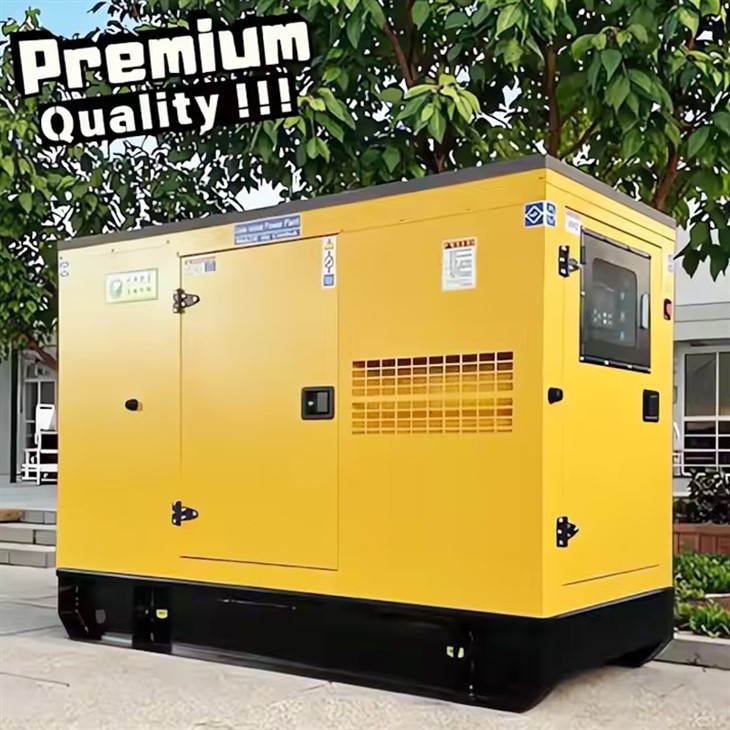

And if you're looking for a quiet and powerful generator, check out our 8kva Silent Generator. It's designed to provide reliable power with minimal noise, making it ideal for use in residential areas or outdoor events.
In conclusion, balancing the load on a Trailer Power Station is essential for ensuring its optimal performance and longevity. By understanding the different types of loads, calculating the total load, distributing the load evenly, and following some practical tips, you can avoid overloading the power station and prevent costly breakdowns. If you have any questions or need help with load balancing or choosing the right Trailer Power Station for your needs, don't hesitate to contact us. We're here to help you find the best solution for your power requirements.
References
- Electrical Engineering textbooks on power systems and load management
- Manufacturer's manuals for Trailer Power Stations and electrical devices


