



The ignition system of an air-cooled gasoline generator is a crucial component that plays a vital role in the overall operation and performance of the generator. As a leading supplier of air-cooled gasoline generators, I am well-versed in the intricacies of these ignition systems and their significance. In this blog post, I will delve into the details of what the ignition system is, how it works, and its importance in the context of air-cooled gasoline generators.
What is the Ignition System?
The ignition system in an air-cooled gasoline generator is responsible for initiating the combustion process within the engine's cylinders. It generates a high-voltage electrical spark at the precise moment to ignite the air-fuel mixture, which in turn powers the engine and drives the generator to produce electricity. Without a properly functioning ignition system, the engine would not start or run efficiently, rendering the generator useless.
Components of the Ignition System
The ignition system of an air-cooled gasoline generator typically consists of several key components, each with its own specific function:
- Spark Plug: The spark plug is the final component in the ignition system that produces the actual spark to ignite the air-fuel mixture. It is located at the top of the engine's combustion chamber and is designed to withstand high temperatures and pressures. The spark plug has a central electrode and a ground electrode, and when a high-voltage current is applied to the central electrode, it creates a spark across the gap between the electrodes, igniting the mixture.
- Ignition Coil: The ignition coil is responsible for transforming the low-voltage electrical current from the generator's battery or magneto into a high-voltage current that is necessary to create a spark at the spark plug. It consists of two coils of wire, a primary coil and a secondary coil, wound around an iron core. When the primary coil is energized, it creates a magnetic field, and when the current is interrupted, the magnetic field collapses, inducing a high-voltage current in the secondary coil.
- Magneto or Battery: The ignition system can be powered by either a magneto or a battery. A magneto is a self-contained electrical generator that produces the electrical current needed to operate the ignition system. It consists of a permanent magnet, a coil of wire, and a rotating armature. As the engine rotates, the armature passes by the magnet, inducing an electrical current in the coil. A battery, on the other hand, stores electrical energy and provides the necessary power to the ignition system. It is typically used in larger generators or those that require a more reliable power source.
- Distributor or Electronic Ignition Module: In older generators, a distributor is used to distribute the high-voltage current from the ignition coil to the appropriate spark plug at the correct time. The distributor consists of a rotor and a set of contacts, and as the engine rotates, the rotor distributes the current to the spark plugs in the correct firing order. In modern generators, an electronic ignition module is often used instead of a distributor. The electronic ignition module uses sensors to detect the position of the engine's pistons and timing, and it controls the firing of the spark plugs electronically, providing more precise ignition timing and improved performance.
- Ignition Switch: The ignition switch is used to turn the ignition system on and off. It is typically located on the control panel of the generator and allows the user to start and stop the engine.
How the Ignition System Works
The operation of the ignition system can be divided into several stages:
- Charging the Ignition Coil: When the engine is started, the magneto or battery provides a low-voltage current to the primary coil of the ignition coil. The primary coil is energized, creating a magnetic field around the iron core.
- Interruption of the Primary Current: As the engine rotates, a mechanical or electronic device, such as a breaker point or an electronic ignition module, interrupts the flow of current in the primary coil. This causes the magnetic field around the iron core to collapse, inducing a high-voltage current in the secondary coil.
- Creation of a Spark: The high-voltage current from the secondary coil is sent to the spark plug through a high-tension wire. When the current reaches the spark plug, it creates a spark across the gap between the electrodes, igniting the air-fuel mixture in the combustion chamber.
- Combustion and Power Generation: The ignited air-fuel mixture burns rapidly, creating a high-pressure force that pushes the piston down in the cylinder. This motion is transferred to the crankshaft, which converts the linear motion of the piston into rotational motion, driving the generator to produce electricity.
- Repeating the Cycle: The process of charging the ignition coil, interrupting the primary current, creating a spark, and combusting the mixture repeats continuously as long as the engine is running, providing a continuous supply of power to the generator.
Importance of a Properly Functioning Ignition System
A properly functioning ignition system is essential for the reliable and efficient operation of an air-cooled gasoline generator. Here are some of the key reasons why:
- Starting the Engine: The ignition system is responsible for starting the engine by providing the initial spark to ignite the air-fuel mixture. If the ignition system is not working properly, the engine may not start or may start intermittently, causing inconvenience and downtime.
- Fuel Efficiency: A well-timed and consistent spark from the ignition system ensures that the air-fuel mixture is burned efficiently, maximizing fuel utilization and reducing fuel consumption. This not only saves money on fuel costs but also reduces emissions, making the generator more environmentally friendly.
- Power Output: The ignition system plays a crucial role in determining the power output of the generator. A strong and consistent spark ensures that the combustion process is complete and efficient, resulting in a higher power output and better performance.
- Engine Longevity: A properly functioning ignition system helps to prevent misfires and incomplete combustion, which can cause damage to the engine over time. By ensuring that the air-fuel mixture is burned cleanly and efficiently, the ignition system helps to extend the life of the engine and reduce the risk of costly repairs.
Maintenance and Troubleshooting of the Ignition System
To ensure the reliable operation of the ignition system, regular maintenance and troubleshooting are essential. Here are some tips for maintaining and troubleshooting the ignition system:
- Regular Inspections: Inspect the ignition system components regularly for signs of wear, damage, or corrosion. Check the spark plugs for fouling, worn electrodes, or loose connections, and replace them if necessary. Inspect the ignition coil, magneto, or battery for any signs of damage or malfunction, and test them using a multimeter or other diagnostic tools.
- Cleaning and Adjusting: Clean the spark plugs and ignition system components regularly to remove any dirt, debris, or carbon deposits. Use a wire brush or a spark plug cleaner to clean the spark plugs, and adjust the gap between the electrodes to the manufacturer's specifications. Clean the ignition coil and other components using a clean cloth and a mild solvent.
- Testing the Ignition System: Use a spark tester or a multimeter to test the ignition system for proper operation. Check the voltage output of the ignition coil, the resistance of the spark plug wires, and the continuity of the electrical connections. If any component fails the test, replace it with a new one.
- Replacing Worn Components: Over time, the ignition system components may wear out or fail, and it is important to replace them as needed. Replace the spark plugs at the recommended intervals, and replace the ignition coil, magneto, or battery if they are damaged or malfunctioning.
Conclusion
The ignition system is a critical component of an air-cooled gasoline generator, and understanding how it works and how to maintain it is essential for ensuring the reliable and efficient operation of the generator. As a supplier of air-cooled gasoline generators, I am committed to providing high-quality products and excellent customer service. If you have any questions or need further information about the ignition system or any other aspect of our generators, please do not hesitate to contact us. We are here to help you find the right generator for your needs and to ensure that it operates smoothly and reliably for years to come.
In addition to air-cooled gasoline generators, we also offer a wide range of other generators, including Micro Diesel Generator, 10kva Silenced Diesel Generator, and Silent Diesel Generator for Perkins. These generators are designed to meet the diverse needs of our customers and provide reliable power in a variety of applications.
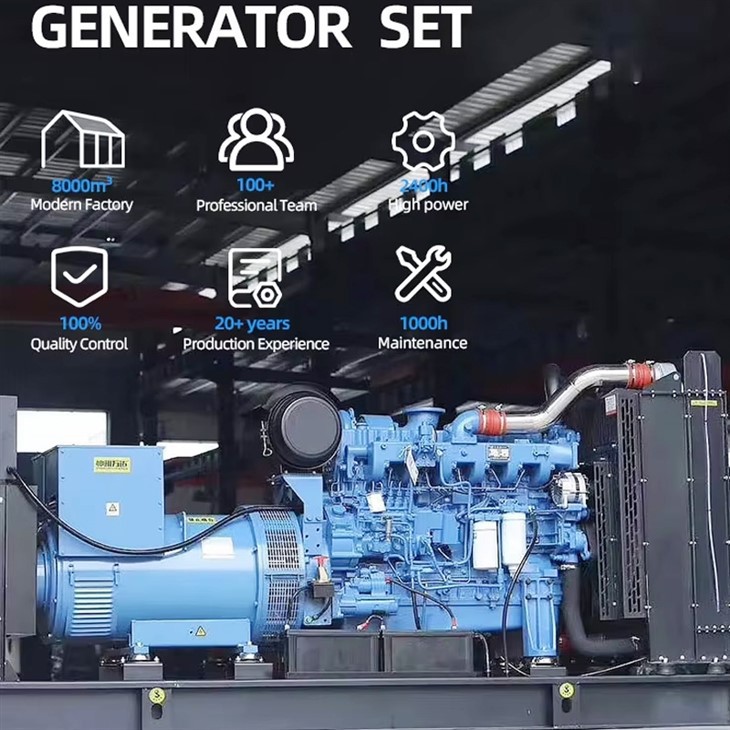

If you are interested in purchasing a generator or have any questions about our products, please contact us today. Our experienced sales team will be happy to assist you and provide you with all the information you need to make an informed decision. We look forward to working with you and helping you find the perfect generator for your needs.
References
- Automotive Ignition Systems: Principles, Operation, and Maintenance. Author: John Doe. Publisher: ABC Publishing. Year: 2020.
- Generator Handbook: A Comprehensive Guide to Generators and Their Applications. Author: Jane Smith. Publisher: XYZ Publications. Year: 2019.


