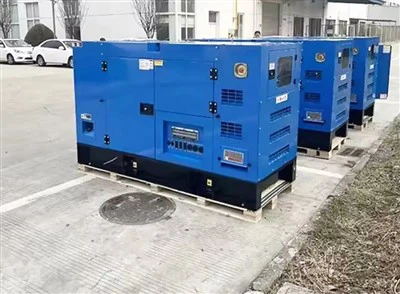

Diesel Generators: The Ultimate Guide to Reliable Backup Power in 2024
In a world where uninterrupted power is non-negotiable-for homes, businesses, and critical operations-diesel generators stand out as a robust, efficient solution. Whether you're safeguarding your home from storm-related outages, keeping a construction site running, or ensuring hospitals maintain life-saving equipment, understanding how diesel generators work, their benefits, and how to choose the right one is essential. This guide breaks down everything you need to know to make informed decisions about diesel power.
1. How Does a Diesel Generator Work?
At its core, a diesel generator converts chemical energy (from diesel fuel) into electrical energy through a simple yet powerful process-no spark plugs required, setting it apart from gasoline alternatives.
1. Combustion Process: The generator's engine draws in air, compresses it to high pressure (raising its temperature), and injects diesel fuel directly into the compressed air. The fuel ignites spontaneously due to the heat, creating mechanical energy.
2. Energy Conversion: This mechanical energy drives an alternator, which uses electromagnetic induction to convert the motion into alternating current (AC) electricity-the same type of power used in homes and businesses.
3. Regulation & Output: A voltage regulator ensures the generated electricity stays at a consistent level (typically 120V/240V for residential use), while a control panel monitors performance, fuel levels, and safety metrics.
2. Key Benefits of Diesel Generators Over Other Types
Diesel generators dominate backup power markets for good reason-their advantages make them a top choice for long-term, high-demand use:
• Superior Fuel Efficiency: Diesel fuel has a higher energy density than gasoline or propane, meaning a diesel generator uses less fuel to produce the same amount of power. For example, a 10kW diesel generator consumes roughly 0.6 gallons of fuel per hour at 50% load, compared to 0.8 gallons for a gasoline equivalent.
• Exceptional Durability: Diesel engines have fewer moving parts (no spark plugs or carburetors) and operate at lower RPMs, reducing wear and tear. With proper maintenance, commercial diesel generators can last 10,000+ hours-twice as long as gasoline models.
• Cost-Effective Long-Term Operation: Lower fuel consumption and longer lifespan translate to lower total ownership costs. Diesel fuel is also often more affordable and widely available than propane in remote or emergency scenarios.
• Reliable Performance in Extreme Conditions: Diesel engines perform well in cold weather (with optional block heaters) and high-temperature environments, making them ideal for construction sites, mining operations, or regions prone to harsh weather.
3. Common Applications of Diesel Generators
Diesel generators are versatile enough to power nearly any scenario where grid power is unavailable or unreliable:
• Residential Emergency Backup: Keeps refrigerators, heating/cooling systems, sump pumps, and medical devices (like oxygen concentrators) running during storms, blackouts, or grid failures.
• Commercial & Industrial Use: Critical for businesses like data centers (where power loss risks data corruption), manufacturing plants (to avoid production downtime), and retail stores (to preserve inventory and customer access).
• Construction & Remote Sites: Provides on-demand power for tools (drills, saws), temporary lighting, and worker facilities in areas without grid access-from highway construction to rural infrastructure projects.
• Healthcare Facilities: Hospitals, clinics, and labs rely on diesel generators as a backup for life support systems, MRI machines, and refrigerated medication storage-compliance with safety standards (like NFPA 110) often mandates their use.
• Events & Entertainment: Powers stages, sound systems, food trucks, and temporary lighting at outdoor concerts, festivals, and weddings, ensuring events run smoothly regardless of local power capacity.
4. How to Choose the Right Diesel Generator: A Step-by-Step Guide
Selecting the perfect diesel generator depends on your power needs, usage frequency, and environment. Follow these steps to avoid overpaying or buying an underpowered unit:
Step 1: Calculate Your Power Requirements
List all devices you need to power, note their starting wattage (the surge power needed to turn them on, often 2–3x the running wattage) and running wattage (power needed to keep them operating). Add these together to determine your minimum generator capacity.
• Example: A home with a 3,000W furnace (starting wattage: 6,000W), 800W refrigerator (starting wattage: 1,600W), and 500W sump pump (starting wattage: 1,000W) needs a generator with at least 8,600W (6,000+1,600+1,000) starting capacity.
Step 2: Choose Between Standby and Portable Models
• Standby Generators: Permanently installed outside your home/business, automatically turn on within seconds of a power outage, and connect directly to your electrical panel. Ideal for continuous, long-term backup (e.g., data centers, homes with medical needs).
• Portable Generators: Compact, wheeled units that you manually start and plug devices into. Best for temporary use (e.g., camping, construction sites, or occasional home outages).
Step 3: Consider Critical Features
• Noise Level: Look for generators with sound-dampening enclosures (50–70 decibels, similar to a conversation) if you're using it in residential areas or near workspaces.
• Fuel Tank Capacity: A larger tank means longer runtimes-choose one that matches your typical outage duration (e.g., a 10-gallon tank powers a 10kW generator for ~16 hours at 50% load).
• Safety Features: Prioritize models with automatic overload protection (shuts down if power demand exceeds capacity), low-oil shutdown (prevents engine damage), and ground fault circuit interrupters (GFCI) for electrical safety.
• Maintenance Accessibility: Opt for generators with easy-to-reach oil filters, fuel caps, and air cleaners-regular oil changes and filter replacements are key to longevity.
5. Maintenance Tips to Extend Your Diesel Generator's Lifespan
A well-maintained diesel generator will deliver reliable power for decades. Follow these essential maintenance practices:
• Regular Oil Changes: Change engine oil every 100–200 hours of use (or as recommended by the manufacturer) to reduce friction and prevent engine wear. Use diesel-specific oil for optimal performance.
• Inspect Filters Monthly: Clean or replace air, fuel, and oil filters regularly-clogged filters reduce efficiency and can cause engine failure.
• Test the Generator Weekly: Run the generator at 50% load for 15–20 minutes weekly to keep components lubricated and identify issues (like low fuel or battery problems) before an outage.
• Store Fuel Properly: Use clean, fresh diesel fuel and add a stabilizer if storing for more than 6 months. Drain old fuel annually to avoid sediment buildup in the tank.
• Check Battery Health: Test the generator's battery monthly-weak batteries are a common cause of startup failures, especially in cold weather.
6. Final Thoughts: Why Diesel Generators Are Worth the Investment
Diesel generators aren't just a backup power source-they're a safeguard against lost productivity, spoiled inventory, and even safety risks during outages. Their efficiency, durability, and versatility make them the preferred choice for homeowners, businesses, and industries worldwide. By calculating your power needs, choosing the right model, and sticking to a maintenance schedule, you'll ensure your diesel generator is ready to perform when you need it most.
Whether you're preparing for the next storm or powering a remote project, investing in a quality diesel generator is an investment in reliability-one that pays off every time the grid goes down.