



What special considerations are there for using a solar generator set in a hot climate?
As a supplier of solar generator sets, I've witnessed firsthand the unique challenges and opportunities that come with using these systems in hot climates. Solar generator sets are an excellent source of clean, renewable energy, but they require special attention when operating in high - temperature environments. In this blog, I'll share some key considerations for using solar generator sets in hot climates.
1. Solar Panel Efficiency
Solar panels are the heart of a solar generator set, and their efficiency can be significantly affected by high temperatures. When the temperature rises, the efficiency of photovoltaic (PV) cells decreases. This is because the increased heat causes more electrons to break free from their normal paths, leading to more internal resistance and less power output.
Most solar panels are rated at a standard test condition (STC) of 25°C. However, in hot climates, panel temperatures can easily exceed 50°C or even higher. For every degree above the STC temperature, the power output of a typical solar panel can decrease by about 0.3% - 0.5%.
To mitigate this issue, proper ventilation and cooling of the solar panels are crucial. Mounting the panels with sufficient space between them and the mounting surface allows air to circulate and carry away heat. Some advanced solar panel systems also incorporate active cooling mechanisms, such as fans or water - cooling systems, to maintain optimal operating temperatures.
2. Battery Performance
Batteries are used in solar generator sets to store the energy generated by the solar panels for later use. In hot climates, battery performance can be severely impacted. High temperatures accelerate the chemical reactions inside the battery, which can lead to faster self - discharge and a shorter battery lifespan.
For lead - acid batteries, the most common type used in solar generator sets, high temperatures can cause the electrolyte to evaporate more quickly, leading to sulfation and reduced capacity. Lithium - ion batteries, although more temperature - resistant than lead - acid batteries, also face challenges in hot environments. Excessive heat can cause the battery's internal resistance to increase and may even lead to thermal runaway in extreme cases.
To protect the batteries, they should be installed in a well - ventilated and shaded area. Temperature - controlled battery enclosures can also be used to maintain a stable operating temperature. Regular monitoring of the battery's state of charge, voltage, and temperature is essential to detect any potential issues early.
3. Inverter and Charge Controller Functionality
The inverter and charge controller are important components of a solar generator set. The inverter converts the direct current (DC) electricity generated by the solar panels into alternating current (AC) for use in household appliances or other electrical devices. The charge controller regulates the charging process of the batteries to prevent overcharging and over - discharging.
In hot climates, the electronic components in the inverter and charge controller can overheat, leading to reduced efficiency and potential malfunctions. Heat can cause the semiconductor devices in these components to degrade faster, increasing the risk of failure.

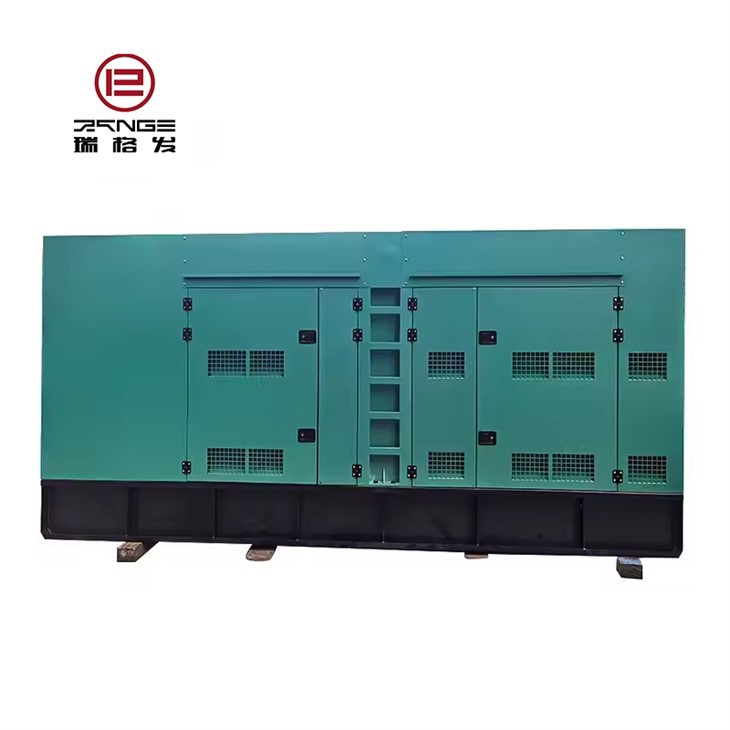
Proper ventilation and heat dissipation are necessary for these components. Inverters and charge controllers should be installed in a cool, dry place, and some models come with built - in cooling fans or heat sinks to manage heat. Regular maintenance and inspection of these components are also recommended to ensure their proper functioning.
4. Wiring and Connections
High temperatures can also affect the wiring and connections in a solar generator set. The insulation on the wires can degrade more quickly in hot environments, increasing the risk of short circuits and electrical fires. Loose connections can also become more of a problem as the metal expands and contracts due to temperature changes.
It is important to use high - quality, heat - resistant wiring and ensure that all connections are properly tightened. Regular visual inspections of the wiring and connections should be carried out to check for signs of damage or wear. If any issues are detected, the wiring or connections should be replaced immediately.
5. System Design and Sizing
When designing a solar generator set for a hot climate, it is necessary to take into account the reduced efficiency of the components due to high temperatures. Oversizing the solar panels and batteries can help compensate for the loss of efficiency. For example, if a system is designed for a standard climate, it may need to be sized 10% - 20% larger in a hot climate to achieve the same level of performance.
In addition, the system should be designed to handle the peak power demands during the hottest parts of the day. This may require a larger inverter and charge controller to ensure that the system can operate safely and efficiently under high - load conditions.
6. Component Compatibility
In a hot climate, it is crucial to ensure that all components of the solar generator set are compatible with each other and can withstand the high - temperature environment. For example, the inverter should be rated to handle the maximum power output of the solar panels and the battery bank under hot conditions.
Some components may have different temperature ratings and operating characteristics. For instance, certain types of Ac Synchronous Alternator may perform better in hot climates than others. When selecting components for a solar generator set, it is important to consider their temperature - related specifications and choose those that are best suited for the specific climate.
7. Maintenance and Monitoring
Regular maintenance and monitoring are essential for the reliable operation of a solar generator set in a hot climate. In addition to the component - specific maintenance tasks mentioned above, the entire system should be inspected periodically for any signs of damage or wear.
Monitoring systems can be installed to track the performance of the solar generator set in real - time. These systems can provide data on the power output of the solar panels, the state of charge of the batteries, and the temperature of the components. By analyzing this data, potential issues can be detected early, and appropriate maintenance actions can be taken.
8. Load Management
In hot climates, the power demand for cooling systems, such as air conditioners, is typically higher. When using a solar generator set, it is important to manage the electrical load carefully. Overloading the system can cause the components to overheat and may lead to system failure.
Prioritizing essential loads and using energy - efficient appliances can help ensure that the solar generator set can meet the power needs without being overstressed. For example, using energy - star rated air conditioners or fans can reduce the power consumption and make the most of the available solar energy.
Conclusion
Using a solar generator set in a hot climate presents several unique challenges, but with proper planning, design, and maintenance, these challenges can be overcome. By considering the factors mentioned above, such as solar panel efficiency, battery performance, and component functionality, users can ensure that their solar generator sets operate reliably and efficiently in high - temperature environments.
If you are interested in purchasing a solar generator set for your hot - climate location, I encourage you to contact us for a detailed consultation. We offer a wide range of solar generator sets, including 12kva Diesel Generator and 55kva Diesel Generator, to meet your specific power needs. Our team of experts can help you select the right system and provide guidance on installation, maintenance, and operation.
References
- "Solar Photovoltaic Systems Design and Installation Handbook"
- "Battery Technology and Applications in Renewable Energy Systems"
- "Electrical Engineering Principles for Solar Power Generation"


