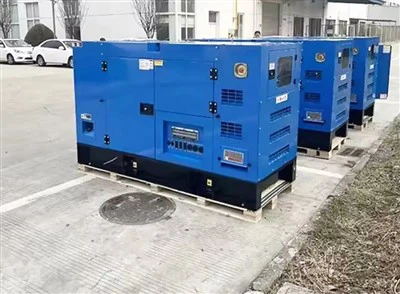

A diesel generator set is driven by a diesel engine. When the equipment is in use, the internal coils of the diesel generator set and external electrical appliances form a circuit, which generates current and electromagnetic force resistance torque. However, according to the principle of energy conservation, the more electrical energy resistance torque is consumed, the more work needs to be done. For a diesel generator set with stable dry speed, the more work done by electromagnetic negative force means a larger negative torque. Simply put, the greater the power of the electrical equipment used, the heavier the rotation, and the more difficult it is for the diesel engine to rotate.
When no electrical equipment is used, there is no current inside the coil of the diesel generator set, and the coil generates electromagnetic resistance torque. However, the bearings and belts of the diesel generator set will have negative torque, which also consumes the power of the diesel engine. In addition, the diesel engine itself is a four stroke engine, with only one working stroke, and maintaining its rapid operation also requires fuel consumption. As an internal combustion engine heat engine, the efficiency of the diesel engine itself is also limited.
When the power of the diesel generator set is high and the power of the electrical appliances is low, the power loss may be greater than the power of the electrical equipment used. It is difficult to reduce the power of a diesel engine, so the minimum power of a diesel generator set is a few kilowatts. For millions of electric workers, this load can be ignored. The above analysis confirms that there is still a consumption of electrical oil without using it, but it will not consume a larger amount of oil. In other words, a diesel generator set will not waste any extra electricity when operating at high loads.